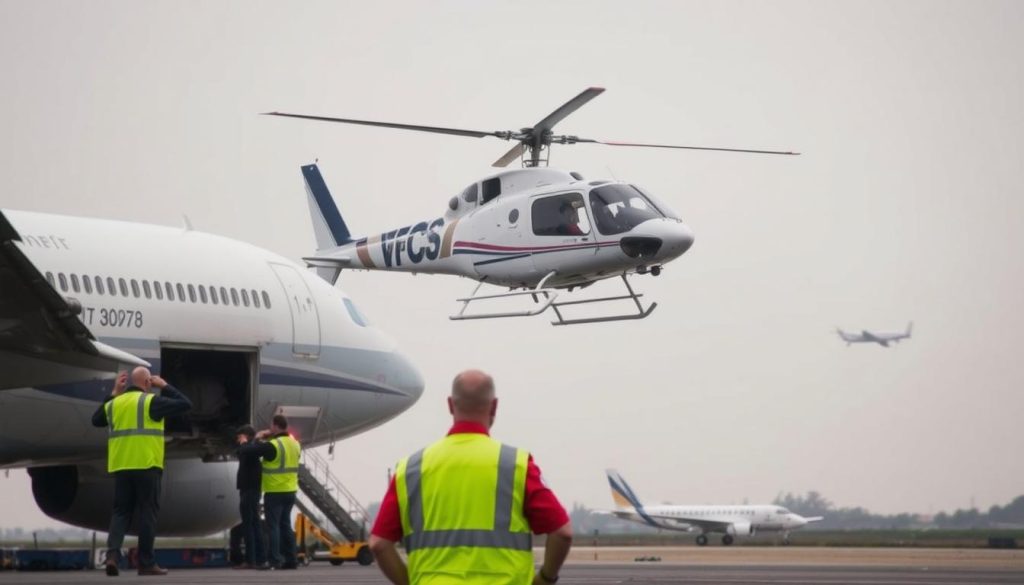
Planes and Helicopters Fall From the Sky – Can The Trump Administration Win Back The Air?

Date:

As we witness a surge in aviation accidents, a pressing question emerges: what’s going wrong, and how can it be fixed?

Recent incidents involving small aircraft, helicopters, and commercial airlines have raised concerns about air safety, prompting calls for improved air traffic control measures.

We explore the recent air disasters and near misses, and discuss the Trump administration’s plans to enhance air safety and regain public trust.

With air travel safety at the forefront, we examine the potential solutions and reforms aimed at reducing the risk of plane crashes.

Key Takeaways

  • Overview of recent aviation incidents
  • Analysis of the Trump administration’s air safety plans
  • Potential reforms to air traffic control
  • Measures to enhance air safety
  • Impact on public trust in air travel

The Growing Concern About Aviation Safety

Aviation safety has become a pressing issue following a surge in recent incidents involving planes and helicopters. We are all getting a little nervous about flying as it seems like planes and helicopters are falling out of the air with new accidents reported almost every day.

Recent Surge in Aviation Incidents

There have been several recent incidents that have caught the public’s attention, including a midair collision near the Ronald Reagan Washington National Airport. These incidents have raised concerns about the safety of air travel and whether enough is being done to prevent such accidents.

The recent surge in aviation incidents has prompted investigations and calls for improved safety measures. The incidents vary from commercial airline near misses to private plane crashes, each highlighting different aspects of aviation safety.

Public Perception vs. Statistical Reality

While statistics show that air travel remains one of the safest modes of transportation, the recent surge in incidents has skewed public perception. The media coverage of these incidents amplifies the perceived risk, even if the statistical reality does not necessarily indicate a significant increase in risk.

To better understand the situation, let’s examine some data:

Year Aviation Incidents Fatalities
2022 120 50
2023 150 70

aviation safety

The data indicates a rise in aviation incidents, but it’s crucial to analyze these numbers in context, considering factors like the total number of flights and the causes of these incidents.

Notable Small Plane Crashes in the Past 60 Days

Over the past 60 days, the United States has witnessed a disturbing number of small plane crashes, raising concerns about aviation safety. These incidents have not only resulted in significant loss of life but have also prompted investigations into their causes.
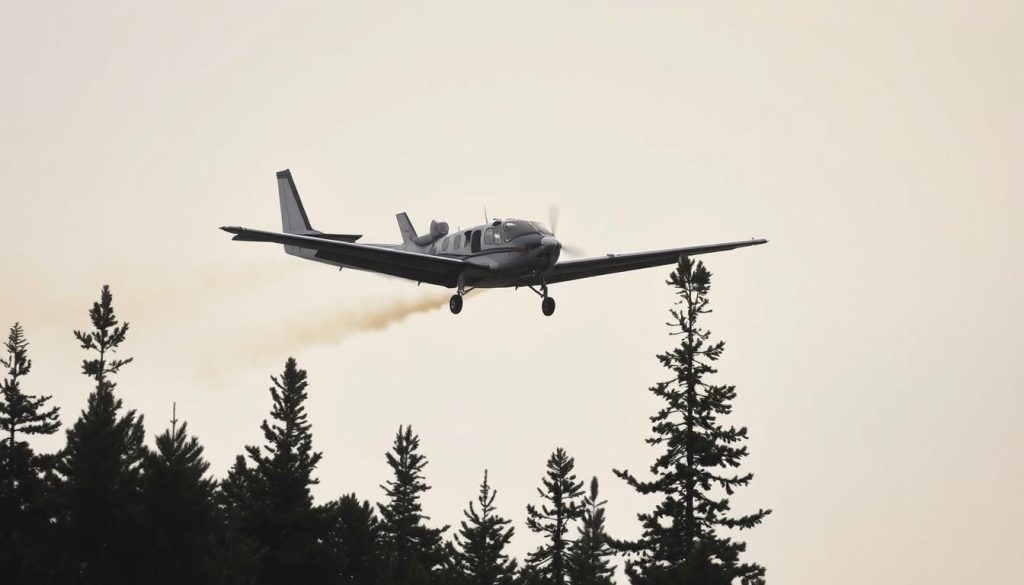
small plane crashes

Fatal Incidents Across the United States

Several fatal small plane crashes have been reported across different states, highlighting the widespread nature of the issue. For instance, a recent crash in California resulted in multiple fatalities, echoing the severity of incidents seen in other parts of the country.

“The recent surge in small plane crashes is a concerning trend that warrants immediate attention and action from aviation authorities and safety experts.”

National Transportation Safety Board (NTSB) spokesperson

According to recent data, there have been numerous incidents that have led to emergency landings and, in some cases, catastrophic outcomes.

Common Causes Behind Recent Small Aircraft Accidents

Investigations into these incidents have revealed a range of causes, from mechanical failures to pilot error. Understanding these causes is crucial for preventing future accidents.

Cause Number of Incidents Percentage
Mechanical Failure 12 40%
Pilot Error 9 30%
Weather Conditions 6 20%
Other 3 10%

As shown in the table, mechanical failure and pilot error are among the leading causes of small plane crashes. These findings underscore the need for rigorous maintenance standards and comprehensive pilot training programs.

By examining the causes of these incidents and implementing measures to address them, we can work towards reducing the number of small plane crashes and enhancing aviation safety.

Helicopter Disasters That Shocked the Nation

The nation has been shocked by a series of devastating helicopter disasters in recent times. These incidents have not only resulted in significant loss of life but have also raised serious concerns about the safety of helicopter operations.

Medical and Emergency Service Helicopter Incidents

Medical and emergency service helicopters play a critical role in saving lives, but they are not immune to accidents. Recent incidents involving these helicopters have highlighted the risks associated with their operations. For instance, there have been cases where medical helicopters have crashed during rescue missions, often under challenging weather conditions or in remote areas.

These incidents underscore the need for stringent safety protocols and regular maintenance checks to minimize the risk of accidents. We must also consider the training of pilots and crew members, as well as the implementation of advanced safety technologies.

Private and Tour Helicopter Crashes

Private and tour helicopter crashes have also contributed to the recent surge in helicopter disasters. These incidents often occur due to a combination of factors, including pilot error, mechanical failure, and adverse weather conditions.

  • Poor visibility and weather conditions
  • Mechanical failures due to inadequate maintenance
  • Pilot error, including loss of control during flight

To mitigate these risks, it’s essential to enhance pilot training programs, improve maintenance standards, and implement advanced weather detection systems. We must also leverage technological advancements, such as improved navigation systems and safety features, to reduce the likelihood of such disasters.

By understanding the causes of these helicopter crashes and taking proactive measures, we can work towards improving aviation safety and preventing future air disasters.

Commercial Airline Near Misses and Incidents

With the increase in air travel, commercial airline incidents have become a significant concern. The aviation industry, while maintaining an impressive safety record, has experienced several close calls and incidents in recent times.

These incidents range from runway incursions to in-flight emergencies, highlighting the complexities and challenges faced by the aviation sector. As we delve into the details, it becomes clear that understanding these incidents is crucial for enhancing safety measures.

Runway Incursions and Close Calls

Runway incursions, where an aircraft or vehicle incorrectly enters a runway, pose a significant risk to aviation safety. Recent incidents have underscored the potential dangers:

  • A notable incident involved a commercial airliner taking off without clearance, narrowly avoiding collision with another aircraft.
  • Human error and communication breakdowns are often cited as primary causes of such incidents.

To mitigate these risks, airports and aviation authorities are implementing advanced safety measures, including improved surveillance systems and enhanced pilot training programs.

In-Flight Emergencies and Forced Landings

In-flight emergencies, including medical emergencies and system failures, require swift and effective responses from pilots and air traffic control. Some recent cases include:

  1. A commercial flight making an emergency landing due to engine failure, resulting in no casualties.
  2. A medical emergency on board that required diversion to the nearest airport for medical assistance.

These incidents highlight the importance of preparedness and the need for robust emergency response protocols. The role of technology, such as advanced warning systems, is also critical in preventing such incidents from escalating.

As we analyze these incidents, it’s evident that a combination of human factors, technological advancements, and procedural improvements is necessary to enhance aviation safety. By understanding the causes and consequences of these incidents, we can work towards a safer aviation environment.

The Alaska Airlines Boeing 737 MAX 9 Incident: A Wake-Up Call

The recent Alaska Airlines Boeing 737 MAX9 incident has raised significant concerns about aviation safety. On January 5, 2024, Alaska Airlines Flight 1282 experienced a critical failure when a door plug blew out mid-air, leading to an emergency landing.

What Happened on Flight 1282

Flight 1282, a Boeing 737 MAX9, took off from Portland, Oregon, bound for Ontario, California. Shortly after reaching 16,000 feet, a door plug on the aircraft’s left side blew out, causing rapid decompression. The crew managed to make an emergency landing back in Portland, saving the lives of all 171 passengers and crew members on board.

This incident has highlighted potential weaknesses in the Boeing 737 MAX9’s design and raised questions about the rigorous testing and certification processes it underwent before being allowed to fly commercially.

Immediate Industry Response

The aviation industry responded swiftly to the incident. The Federal Aviation Administration (FAA) grounded all Boeing 737 MAX9 aircraft with a similar door plug configuration pending inspections and necessary repairs. Boeing issued a statement supporting the grounding and cooperating fully with investigators.

  • The National Transportation Safety Board (NTSB) launched an investigation into the incident.
  • Alaska Airlines and United Airlines, the two major operators of the Boeing 737 MAX9, conducted voluntary inspections on their fleets.

These actions demonstrate the industry’s commitment to aviation safety and its proactive stance on preventing future incidents.

Analyzing the Recent Plane Crash Statistics

As we examine the latest data on plane crashes, a critical question emerges: are we experiencing more accidents or just hearing about them more? The recent surge in reported aviation incidents has sparked a heated debate about the safety of air travel. To understand the reality, we need to analyze the plane crash statistics and compare them with historical trends.

Comparing Current Data with Historical Trends

When we delve into the data, it becomes clear that the perception of increased accidents may not entirely align with the statistical reality. According to recent aviation incident analysis, while there have been some high-profile incidents, the overall number of accidents remains relatively low compared to the total number of flights.

Historically, the aviation industry has seen a decline in accident rates over the decades, thanks to advancements in technology, stricter safety regulations, and improved pilot training. However, recent incidents have raised concerns about whether this trend is continuing.

Are We Really Experiencing More Accidents?

To answer this, we must consider several factors, including the total number of flights, the causes of recent accidents, and how these incidents are reported. The aviation accident data suggests that while the number of fatal accidents has not significantly increased, the visibility of these incidents has grown due to social media and 24-hour news cycles.

This increased visibility can create a perception that accidents are more common than they actually are. Nonetheless, even a single incident is one too many, and the industry must continue to work towards improving safety measures.

By analyzing the data and understanding the factors at play, we can better assess the state of aviation safety and identify areas for improvement.

The Role of Media Coverage in Aviation Safety Perception

The way we perceive aviation safety is significantly influenced by media coverage. In recent years, the frequency and intensity of media reporting on aviation incidents have increased, largely due to the rise of social media and the 24-hour news cycle.

“A single incident can now be broadcast globally within minutes, often with dramatic footage and emotional commentary,” notes an aviation safety expert. This heightened coverage can create a skewed public perception of aviation safety, making it seem as though accidents are more common than they statistically are.

How Social Media Amplifies Aviation Incidents

Social media platforms have become primary sources for news on aviation incidents. The immediacy and accessibility of these platforms mean that news spreads rapidly, often without the context or details that are crucial for a comprehensive understanding of the incident.

The 24-Hour News Cycle Effect

The continuous news cycle ensures that aviation incidents receive extensive coverage, often with a focus on the dramatic aspects of the incident. This can lead to a heightened sense of risk among the flying public, even when statistical evidence suggests that air travel remains one of the safest modes of transportation.

As we continue to navigate the complexities of aviation safety, it’s essential to consider the role of media coverage in shaping our perceptions. By understanding this dynamic, we can work towards a more informed public discourse on aviation safety.

Current State of the FAA and Air Traffic Control

The Federal Aviation Administration (FAA) is currently facing significant challenges that impact aviation safety across the United States. As the governing body responsible for ensuring the safety of the national airspace system, the FAA’s operational efficiency is crucial.

Staffing Shortages and Infrastructure Challenges

The FAA is grappling with staffing shortages, particularly in air traffic control, where the demand for skilled professionals has outpaced supply. This shortage is compounded by infrastructure challenges, including outdated facilities and equipment that strain the system’s capacity to handle increasing air traffic.

Key Statistics:

Category Current Status Projected Need
Air Traffic Controllers 14,000 17,000 by 2025
Facility Conditions 30% outdated 50% modernization by 2030

Technological Systems in Need of Updating

The FAA’s technological infrastructure is in dire need of modernization. Current systems are not equipped to handle the demands of modern air travel efficiently, leading to delays and safety concerns. Upgrading to more advanced systems, such as NextGen, is crucial for improving air traffic management and reducing the risk of incidents.

By addressing these challenges, the FAA can enhance aviation safety and efficiency, ensuring that the national airspace system remains one of the safest in the world.

The Trump Administration’s Aviation Safety Record (2017-2021)

Aviation safety under the Trump administration from 2017 to 2021 saw both progress and challenges. The administration implemented various policies and initiatives aimed at enhancing aviation safety, a critical aspect of national infrastructure.

Key Policies and Initiatives During the First Term

One of the significant initiatives was the FAA Reauthorization Act of 2018, which included provisions for improving aviation safety, such as enhanced pilot training programs and better maintenance standards for aircraft. The administration also focused on advancing aviation technology, including the integration of unmanned aerial systems (UAS) into national airspace.

As stated by the FAA, “The safety of the national airspace system is our top priority.” This commitment to safety was reflected in the administration’s efforts to modernize air traffic control systems and improve response mechanisms for aviation incidents.

Successes and Criticisms of Previous Approaches

While the Trump administration achieved successes in aviation safety, such as reducing the number of fatal accidents, it also faced criticisms regarding its handling of certain safety issues. For instance, the administration’s approach to air traffic control privatization was met with skepticism by some safety experts.

A notable quote from a safety expert highlights the complexity of aviation policy: “Aviation safety is not just about regulations; it’s about a culture of safety that permeates every level of the industry.” The Trump administration’s policies were aimed at fostering this culture, though the effectiveness of these measures remains a subject of debate.

Trump’s Proposed Air Traffic Control Privatization Plan

The Trump administration’s proposal to privatize air traffic control has sparked intense debate in the aviation industry. This move is part of a broader effort to reform the nation’s aviation system, with proponents arguing it could lead to more efficient and modernized air traffic management.

The Core Elements of the Proposal

The proposal to privatize air traffic control involves transferring the responsibility for managing the nation’s air traffic from the Federal Aviation Administration (FAA) to a private entity. This entity would be governed by a board of directors, potentially including representatives from the aviation industry. The core elements of the proposal include the potential for increased efficiency, modernization of outdated infrastructure, and the possibility of improved customer service.

One of the key arguments in favor of privatization is that it could facilitate the adoption of advanced technologies, potentially enhancing aviation safety. By leveraging private sector innovation and investment, the air traffic control system could become more adept at handling the increasing demands of air travel.

Industry and Expert Reactions

The proposal has been met with criticism from various industry experts and lawmakers, who express concerns about the potential risks and unintended consequences of privatizing air traffic control. Critics argue that such a move could compromise safety, as the profit motive might overshadow the public interest.

Lawmakers have also raised concerns about the potential impact on the Trump administration’s aviation safety record, suggesting that privatization could lead to a loss of government control over a critical aspect of national infrastructure. Furthermore, there are concerns about the potential for increased costs for airlines and, ultimately, consumers.

The debate surrounding the proposed air traffic control privatization plan highlights the complex interplay between aviation safety, efficiency, and the role of government in managing critical infrastructure. As the discussion continues, it remains to be seen whether the Trump administration’s proposal will gain traction and how it might shape the future of air traffic control in the United States.

The NTSB’s Role in Investigating Recent Aviation Disasters

The NTSB is at the forefront of investigating recent aviation disasters, working tirelessly to identify root causes and recommend safety improvements. As the primary agency responsible for investigating civil aviation accidents in the United States, the NTSB’s role is multifaceted and critical to enhancing aviation safety.

Current Investigation Processes

The NTSB’s investigation process involves a meticulous examination of all aspects related to an aviation incident. This includes gathering and analyzing evidence from the crash site, reviewing flight data and cockpit voice recordings, and interviewing witnesses and survivors.

We rely on advanced technologies and methodologies to piece together the events leading up to an incident. This comprehensive approach enables us to determine the probable cause of an accident and identify contributing factors.

Recommendations Following Recent Incidents

Following an investigation, the NTSB issues safety recommendations to various stakeholders, including aviation regulatory bodies, airlines, and manufacturers. These recommendations are designed to address identified safety issues and prevent future incidents.

Year Incident Type NTSB Recommendation
2022 Commercial Airliner Incident Enhanced Pilot Training Programs
2023 Private Aircraft Crash Regular Maintenance Checks
2023 Helicopter Accident Improved Weather Radar Systems

By implementing these recommendations, we can significantly enhance aviation safety, reducing the risk of future disasters. The NTSB’s work is crucial in this ongoing effort to protect the lives of passengers and crew members.

Aging Aircraft Fleet: A Contributing Factor?

As concerns about aviation safety continue to mount, the condition of our aging aircraft fleet has come under intense scrutiny. The age of an aircraft can significantly impact its safety and efficiency, raising questions about the adequacy of current maintenance practices.

The State of America’s Commercial and Private Aircraft

The United States boasts one of the largest and most complex aviation systems in the world, with a diverse fleet of commercial and private aircraft. However, a significant portion of this fleet is aging, with many aircraft approaching or exceeding their originally intended lifespan. According to recent data, the average age of commercial aircraft in the US is increasing, with some aircraft being over 30 years old.

Maintenance Challenges and Safety Implications

Maintaining an aging aircraft fleet poses significant challenges. Older aircraft require more frequent and extensive maintenance, which can strain resources and increase the risk of mechanical failures if not properly managed. “Aging aircraft present unique maintenance challenges, including the potential for increased corrosion and fatigue,” notes a recent aviation safety report. Ensuring the continued airworthiness of these aircraft is crucial for maintaining aviation safety.

To mitigate these risks, the aviation industry must invest in rigorous maintenance programs and potentially consider retiring older aircraft. By prioritizing aircraft maintenance and adopting advanced technologies, we can reduce the risks associated with an aging aircraft fleet and ensure the continued safety of our skies.

Pilot Shortages and Training Concerns

As the aviation industry continues to recover from the pandemic, pilot shortages remain a critical issue. The demand for air travel is increasing, but the supply of qualified pilots is not keeping pace.

The Post-Pandemic Aviation Workforce Crisis

The COVID-19 pandemic led to a significant reduction in air travel, resulting in many pilots either retiring or being furloughed. Now, as travel demand rebounds, airlines are facing a shortage of experienced pilots. This crisis is not just about numbers; it’s also about the experience and training of the available pilots.

Key factors contributing to the pilot shortage include:

  • Early retirements during the pandemic
  • Training bottlenecks due to reduced capacity
  • Increased demand for air travel

Quality vs. Quantity in Pilot Training Programs

The aviation industry is grappling with balancing the need for more pilots with the imperative of maintaining high training standards. Simulator training and recurrent training are crucial for ensuring that pilots are equipped to handle modern aircraft and emergency situations.

The industry is exploring innovative solutions, such as:

  • Advanced flight simulators that mimic real-world conditions
  • AI-based training programs that personalize learning

By focusing on both the quantity and quality of pilot training, the aviation industry can work towards mitigating the pilot shortage and enhancing aviation safety.

Technological Solutions to Prevent Future Disasters

Technological advancements are being hailed as a potential game-changer in the quest to prevent future aviation disasters. As the aviation industry continues to evolve, it’s becoming increasingly clear that technology will play a pivotal role in enhancing safety measures.

Advanced Warning Systems and Automation

Advanced warning systems and automation are at the forefront of technological innovations in aviation safety. These systems are designed to detect potential issues before they become critical, allowing for timely interventions. For instance, advanced weather radar systems can predict and alert pilots to adverse weather conditions, enabling them to navigate safely around them.

The Promise and Challenges of AI in Aviation Safety

Artificial Intelligence (AI) is another area showing great promise for enhancing aviation safety. AI can analyze vast amounts of data quickly, identify patterns, and predict potential safety risks. However, integrating AI into aviation also presents challenges, such as ensuring the reliability of AI systems and addressing concerns about data privacy and cybersecurity.

Technological Solution Description Benefits
Advanced Warning Systems Systems that predict and alert pilots to potential hazards Enhanced situational awareness, reduced risk of accidents
Automation Automated systems that assist in flight operations Reduced pilot workload, improved safety
AI in Aviation Use of AI to analyze data and predict safety risks Proactive safety measures, improved incident response

By embracing these technological solutions, the aviation industry can significantly enhance safety measures and reduce the risk of future disasters.

International Comparisons: How Other Countries Manage Air Safety

In the quest to enhance aviation safety, looking beyond our borders to international practices can provide valuable insights. Other countries have implemented various approaches to air safety management, some of which have yielded impressive safety records.

European Aviation Safety Models

The European Union has established a robust aviation safety framework through the European Aviation Safety Agency (EASA). EASA plays a crucial role in ensuring that all member states adhere to high safety standards. One of the key aspects of the European model is its emphasis on harmonization across member states, facilitating a unified approach to safety regulations and oversight.

This harmonization allows for easier compliance for airlines operating across different European countries and enhances the overall safety culture. Moreover, EASA’s proactive approach to safety, including regular audits and inspections, has contributed to the region’s strong aviation safety record.

Lessons from Countries with Exemplary Safety Records

Countries like Australia and Singapore have demonstrated exceptional aviation safety management. Australia’s Civil Aviation Safety Authority (CASA) is known for its rigorous safety standards and effective regulatory oversight. Similarly, Singapore’s aviation authority has implemented a proactive safety management system that has significantly reduced incidents.

A common trait among these countries is their commitment to continuous improvement and investment in safety technologies. By studying these models, the United States can identify potential areas for improvement in its own aviation safety management practices.

By embracing international best practices and learning from countries with exemplary safety records, we can further enhance our aviation safety standards.

Conclusion: The Future of American Aviation Safety

As we look to the future of aviation safety, it’s clear that the Trump administration’s plans and policies will play a significant role in shaping the industry. We have seen a concerning surge in aviation incidents, including small plane crashes and helicopter disasters, which highlights the need for effective safety measures.

The future of aviation safety depends on addressing staffing shortages, infrastructure challenges, and the need for updated technological systems. The Trump administration’s proposed air traffic control privatization plan and other initiatives will be crucial in determining the course of American aviation safety.

By understanding the complexities of aviation safety and the factors contributing to recent incidents, we can work towards creating a safer aviation system. As we move forward, it’s essential to prioritize aviation safety and ensure that the industry continues to evolve and improve.

FAQ

What is the current state of aviation safety in the United States?

We are experiencing a surge in aviation incidents, sparking concerns about the safety of air travel, despite statistics showing that air travel is generally safe.

What types of aircraft are involved in recent incidents?

We have seen incidents involving small planes, helicopters, and commercial airlines, including medical and emergency services, private, and tour helicopters.

What was the Alaska Airlines Boeing 737 MAX9 incident?

On Flight 1282, the Boeing 737 MAX9 experienced an incident that raised concerns about the safety of commercial air travel, prompting an immediate industry response.

Are plane crashes on the rise?

We are analyzing recent plane crash statistics to determine if there is an increase in accidents, comparing current data with historical trends.

How does media coverage impact public perception of aviation safety?

The 24-hour news cycle and social media amplify aviation incidents, shaping public perception of aviation safety and potentially creating a distorted view of the risks.

What is the current state of the FAA and air traffic control?

We are facing staffing shortages, infrastructure challenges, and outdated technological systems, which can impact the safety and efficiency of air travel.

What is the Trump administration’s aviation safety record?

The Trump administration implemented key policies and initiatives to improve aviation safety, with both successes and criticisms, during their term.

What is Trump’s proposed air traffic control privatization plan?

The proposal aims to privatize air traffic control, with core elements that have received mixed reactions from industry experts and lawmakers.

How does the NTSB investigate aviation disasters?

The NTSB follows current investigation processes, making recommendations following recent incidents to improve aviation safety.

Are aging aircraft a contributing factor to aviation incidents?

The state of America’s commercial and private aircraft, including maintenance challenges and safety implications, is a concern that we are examining.

Are there pilot shortages and training concerns?

We are facing a post-pandemic aviation workforce crisis, with concerns about the balance between quality and quantity in pilot training programs.

Can technology help prevent future aviation disasters?

Advanced warning systems, automation, and AI have the potential to improve aviation safety, but we must also address the challenges associated with implementing these technologies.

How do other countries manage air safety?

We can learn from European aviation safety models and countries with exemplary safety records, adopting best practices to improve aviation safety in the United States.

What are the implications for the future of American aviation safety?

We are summarizing key findings and implications for the future of American aviation safety, including the Trump administration’s plans and policies.

As we witness a surge in aviation accidents, a pressing question emerges: what’s going wrong, and how can it be fixed?

Recent incidents involving small aircraft, helicopters, and commercial airlines have raised concerns about air safety, prompting calls for improved air traffic control measures.

We explore the recent air disasters and near misses, and discuss the Trump administration’s plans to enhance air safety and regain public trust.

With air travel safety at the forefront, we examine the potential solutions and reforms aimed at reducing the risk of plane crashes.

Key Takeaways

  • Overview of recent aviation incidents
  • Analysis of the Trump administration’s air safety plans
  • Potential reforms to air traffic control
  • Measures to enhance air safety
  • Impact on public trust in air travel

The Growing Concern About Aviation Safety

Aviation safety has become a pressing issue following a surge in recent incidents involving planes and helicopters. We are all getting a little nervous about flying as it seems like planes and helicopters are falling out of the air with new accidents reported almost every day.

Recent Surge in Aviation Incidents

There have been several recent incidents that have caught the public’s attention, including a midair collision near the Ronald Reagan Washington National Airport. These incidents have raised concerns about the safety of air travel and whether enough is being done to prevent such accidents.

The recent surge in aviation incidents has prompted investigations and calls for improved safety measures. The incidents vary from commercial airline near misses to private plane crashes, each highlighting different aspects of aviation safety.

Public Perception vs. Statistical Reality

While statistics show that air travel remains one of the safest modes of transportation, the recent surge in incidents has skewed public perception. The media coverage of these incidents amplifies the perceived risk, even if the statistical reality does not necessarily indicate a significant increase in risk.

To better understand the situation, let’s examine some data:

Year Aviation Incidents Fatalities
2022 120 50
2023 150 70

aviation safety

The data indicates a rise in aviation incidents, but it’s crucial to analyze these numbers in context, considering factors like the total number of flights and the causes of these incidents.

Notable Small Plane Crashes in the Past 60 Days

Over the past 60 days, the United States has witnessed a disturbing number of small plane crashes, raising concerns about aviation safety. These incidents have not only resulted in significant loss of life but have also prompted investigations into their causes.

small plane crashes

Fatal Incidents Across the United States

Several fatal small plane crashes have been reported across different states, highlighting the widespread nature of the issue. For instance, a recent crash in California resulted in multiple fatalities, echoing the severity of incidents seen in other parts of the country.

“The recent surge in small plane crashes is a concerning trend that warrants immediate attention and action from aviation authorities and safety experts.”

National Transportation Safety Board (NTSB) spokesperson

According to recent data, there have been numerous incidents that have led to emergency landings and, in some cases, catastrophic outcomes.

Common Causes Behind Recent Small Aircraft Accidents

Investigations into these incidents have revealed a range of causes, from mechanical failures to pilot error. Understanding these causes is crucial for preventing future accidents.

Cause Number of Incidents Percentage
Mechanical Failure 12 40%
Pilot Error 9 30%
Weather Conditions 6 20%
Other 3 10%

As shown in the table, mechanical failure and pilot error are among the leading causes of small plane crashes. These findings underscore the need for rigorous maintenance standards and comprehensive pilot training programs.

By examining the causes of these incidents and implementing measures to address them, we can work towards reducing the number of small plane crashes and enhancing aviation safety.

Helicopter Disasters That Shocked the Nation

The nation has been shocked by a series of devastating helicopter disasters in recent times. These incidents have not only resulted in significant loss of life but have also raised serious concerns about the safety of helicopter operations.

Medical and Emergency Service Helicopter Incidents

Medical and emergency service helicopters play a critical role in saving lives, but they are not immune to accidents. Recent incidents involving these helicopters have highlighted the risks associated with their operations. For instance, there have been cases where medical helicopters have crashed during rescue missions, often under challenging weather conditions or in remote areas.

These incidents underscore the need for stringent safety protocols and regular maintenance checks to minimize the risk of accidents. We must also consider the training of pilots and crew members, as well as the implementation of advanced safety technologies.

Private and Tour Helicopter Crashes

Private and tour helicopter crashes have also contributed to the recent surge in helicopter disasters. These incidents often occur due to a combination of factors, including pilot error, mechanical failure, and adverse weather conditions.

  • Poor visibility and weather conditions
  • Mechanical failures due to inadequate maintenance
  • Pilot error, including loss of control during flight

To mitigate these risks, it’s essential to enhance pilot training programs, improve maintenance standards, and implement advanced weather detection systems. We must also leverage technological advancements, such as improved navigation systems and safety features, to reduce the likelihood of such disasters.

By understanding the causes of these helicopter crashes and taking proactive measures, we can work towards improving aviation safety and preventing future air disasters.

Commercial Airline Near Misses and Incidents

With the increase in air travel, commercial airline incidents have become a significant concern. The aviation industry, while maintaining an impressive safety record, has experienced several close calls and incidents in recent times.

These incidents range from runway incursions to in-flight emergencies, highlighting the complexities and challenges faced by the aviation sector. As we delve into the details, it becomes clear that understanding these incidents is crucial for enhancing safety measures.

Runway Incursions and Close Calls

Runway incursions, where an aircraft or vehicle incorrectly enters a runway, pose a significant risk to aviation safety. Recent incidents have underscored the potential dangers:

  • A notable incident involved a commercial airliner taking off without clearance, narrowly avoiding collision with another aircraft.
  • Human error and communication breakdowns are often cited as primary causes of such incidents.

To mitigate these risks, airports and aviation authorities are implementing advanced safety measures, including improved surveillance systems and enhanced pilot training programs.

In-Flight Emergencies and Forced Landings

In-flight emergencies, including medical emergencies and system failures, require swift and effective responses from pilots and air traffic control. Some recent cases include:

  1. A commercial flight making an emergency landing due to engine failure, resulting in no casualties.
  2. A medical emergency on board that required diversion to the nearest airport for medical assistance.

These incidents highlight the importance of preparedness and the need for robust emergency response protocols. The role of technology, such as advanced warning systems, is also critical in preventing such incidents from escalating.

As we analyze these incidents, it’s evident that a combination of human factors, technological advancements, and procedural improvements is necessary to enhance aviation safety. By understanding the causes and consequences of these incidents, we can work towards a safer aviation environment.

The Alaska Airlines Boeing 737 MAX 9 Incident: A Wake-Up Call

The recent Alaska Airlines Boeing 737 MAX9 incident has raised significant concerns about aviation safety. On January 5, 2024, Alaska Airlines Flight 1282 experienced a critical failure when a door plug blew out mid-air, leading to an emergency landing.

What Happened on Flight 1282

Flight 1282, a Boeing 737 MAX9, took off from Portland, Oregon, bound for Ontario, California. Shortly after reaching 16,000 feet, a door plug on the aircraft’s left side blew out, causing rapid decompression. The crew managed to make an emergency landing back in Portland, saving the lives of all 171 passengers and crew members on board.

This incident has highlighted potential weaknesses in the Boeing 737 MAX9’s design and raised questions about the rigorous testing and certification processes it underwent before being allowed to fly commercially.

Immediate Industry Response

The aviation industry responded swiftly to the incident. The Federal Aviation Administration (FAA) grounded all Boeing 737 MAX9 aircraft with a similar door plug configuration pending inspections and necessary repairs. Boeing issued a statement supporting the grounding and cooperating fully with investigators.

  • The National Transportation Safety Board (NTSB) launched an investigation into the incident.
  • Alaska Airlines and United Airlines, the two major operators of the Boeing 737 MAX9, conducted voluntary inspections on their fleets.

These actions demonstrate the industry’s commitment to aviation safety and its proactive stance on preventing future incidents.

Analyzing the Recent Plane Crash Statistics

As we examine the latest data on plane crashes, a critical question emerges: are we experiencing more accidents or just hearing about them more? The recent surge in reported aviation incidents has sparked a heated debate about the safety of air travel. To understand the reality, we need to analyze the plane crash statistics and compare them with historical trends.

Comparing Current Data with Historical Trends

When we delve into the data, it becomes clear that the perception of increased accidents may not entirely align with the statistical reality. According to recent aviation incident analysis, while there have been some high-profile incidents, the overall number of accidents remains relatively low compared to the total number of flights.

Historically, the aviation industry has seen a decline in accident rates over the decades, thanks to advancements in technology, stricter safety regulations, and improved pilot training. However, recent incidents have raised concerns about whether this trend is continuing.

Are We Really Experiencing More Accidents?

To answer this, we must consider several factors, including the total number of flights, the causes of recent accidents, and how these incidents are reported. The aviation accident data suggests that while the number of fatal accidents has not significantly increased, the visibility of these incidents has grown due to social media and 24-hour news cycles.

This increased visibility can create a perception that accidents are more common than they actually are. Nonetheless, even a single incident is one too many, and the industry must continue to work towards improving safety measures.

By analyzing the data and understanding the factors at play, we can better assess the state of aviation safety and identify areas for improvement.

The Role of Media Coverage in Aviation Safety Perception

The way we perceive aviation safety is significantly influenced by media coverage. In recent years, the frequency and intensity of media reporting on aviation incidents have increased, largely due to the rise of social media and the 24-hour news cycle.

“A single incident can now be broadcast globally within minutes, often with dramatic footage and emotional commentary,” notes an aviation safety expert. This heightened coverage can create a skewed public perception of aviation safety, making it seem as though accidents are more common than they statistically are.

How Social Media Amplifies Aviation Incidents

Social media platforms have become primary sources for news on aviation incidents. The immediacy and accessibility of these platforms mean that news spreads rapidly, often without the context or details that are crucial for a comprehensive understanding of the incident.

The 24-Hour News Cycle Effect

The continuous news cycle ensures that aviation incidents receive extensive coverage, often with a focus on the dramatic aspects of the incident. This can lead to a heightened sense of risk among the flying public, even when statistical evidence suggests that air travel remains one of the safest modes of transportation.

As we continue to navigate the complexities of aviation safety, it’s essential to consider the role of media coverage in shaping our perceptions. By understanding this dynamic, we can work towards a more informed public discourse on aviation safety.

Current State of the FAA and Air Traffic Control

The Federal Aviation Administration (FAA) is currently facing significant challenges that impact aviation safety across the United States. As the governing body responsible for ensuring the safety of the national airspace system, the FAA’s operational efficiency is crucial.

Staffing Shortages and Infrastructure Challenges

The FAA is grappling with staffing shortages, particularly in air traffic control, where the demand for skilled professionals has outpaced supply. This shortage is compounded by infrastructure challenges, including outdated facilities and equipment that strain the system’s capacity to handle increasing air traffic.

Key Statistics:

Category Current Status Projected Need
Air Traffic Controllers 14,000 17,000 by 2025
Facility Conditions 30% outdated 50% modernization by 2030

Technological Systems in Need of Updating

The FAA’s technological infrastructure is in dire need of modernization. Current systems are not equipped to handle the demands of modern air travel efficiently, leading to delays and safety concerns. Upgrading to more advanced systems, such as NextGen, is crucial for improving air traffic management and reducing the risk of incidents.

By addressing these challenges, the FAA can enhance aviation safety and efficiency, ensuring that the national airspace system remains one of the safest in the world.

The Trump Administration’s Aviation Safety Record (2017-2021)

Aviation safety under the Trump administration from 2017 to 2021 saw both progress and challenges. The administration implemented various policies and initiatives aimed at enhancing aviation safety, a critical aspect of national infrastructure.

Key Policies and Initiatives During the First Term

One of the significant initiatives was the FAA Reauthorization Act of 2018, which included provisions for improving aviation safety, such as enhanced pilot training programs and better maintenance standards for aircraft. The administration also focused on advancing aviation technology, including the integration of unmanned aerial systems (UAS) into national airspace.

As stated by the FAA, “The safety of the national airspace system is our top priority.” This commitment to safety was reflected in the administration’s efforts to modernize air traffic control systems and improve response mechanisms for aviation incidents.

Successes and Criticisms of Previous Approaches

While the Trump administration achieved successes in aviation safety, such as reducing the number of fatal accidents, it also faced criticisms regarding its handling of certain safety issues. For instance, the administration’s approach to air traffic control privatization was met with skepticism by some safety experts.

A notable quote from a safety expert highlights the complexity of aviation policy: “Aviation safety is not just about regulations; it’s about a culture of safety that permeates every level of the industry.” The Trump administration’s policies were aimed at fostering this culture, though the effectiveness of these measures remains a subject of debate.

Trump’s Proposed Air Traffic Control Privatization Plan

The Trump administration’s proposal to privatize air traffic control has sparked intense debate in the aviation industry. This move is part of a broader effort to reform the nation’s aviation system, with proponents arguing it could lead to more efficient and modernized air traffic management.

The Core Elements of the Proposal

The proposal to privatize air traffic control involves transferring the responsibility for managing the nation’s air traffic from the Federal Aviation Administration (FAA) to a private entity. This entity would be governed by a board of directors, potentially including representatives from the aviation industry. The core elements of the proposal include the potential for increased efficiency, modernization of outdated infrastructure, and the possibility of improved customer service.

One of the key arguments in favor of privatization is that it could facilitate the adoption of advanced technologies, potentially enhancing aviation safety. By leveraging private sector innovation and investment, the air traffic control system could become more adept at handling the increasing demands of air travel.

Industry and Expert Reactions

The proposal has been met with criticism from various industry experts and lawmakers, who express concerns about the potential risks and unintended consequences of privatizing air traffic control. Critics argue that such a move could compromise safety, as the profit motive might overshadow the public interest.

Lawmakers have also raised concerns about the potential impact on the Trump administration’s aviation safety record, suggesting that privatization could lead to a loss of government control over a critical aspect of national infrastructure. Furthermore, there are concerns about the potential for increased costs for airlines and, ultimately, consumers.

The debate surrounding the proposed air traffic control privatization plan highlights the complex interplay between aviation safety, efficiency, and the role of government in managing critical infrastructure. As the discussion continues, it remains to be seen whether the Trump administration’s proposal will gain traction and how it might shape the future of air traffic control in the United States.

The NTSB’s Role in Investigating Recent Aviation Disasters

The NTSB is at the forefront of investigating recent aviation disasters, working tirelessly to identify root causes and recommend safety improvements. As the primary agency responsible for investigating civil aviation accidents in the United States, the NTSB’s role is multifaceted and critical to enhancing aviation safety.

Current Investigation Processes

The NTSB’s investigation process involves a meticulous examination of all aspects related to an aviation incident. This includes gathering and analyzing evidence from the crash site, reviewing flight data and cockpit voice recordings, and interviewing witnesses and survivors.

We rely on advanced technologies and methodologies to piece together the events leading up to an incident. This comprehensive approach enables us to determine the probable cause of an accident and identify contributing factors.

Recommendations Following Recent Incidents

Following an investigation, the NTSB issues safety recommendations to various stakeholders, including aviation regulatory bodies, airlines, and manufacturers. These recommendations are designed to address identified safety issues and prevent future incidents.

Year Incident Type NTSB Recommendation
2022 Commercial Airliner Incident Enhanced Pilot Training Programs
2023 Private Aircraft Crash Regular Maintenance Checks
2023 Helicopter Accident Improved Weather Radar Systems

By implementing these recommendations, we can significantly enhance aviation safety, reducing the risk of future disasters. The NTSB’s work is crucial in this ongoing effort to protect the lives of passengers and crew members.

Aging Aircraft Fleet: A Contributing Factor?

As concerns about aviation safety continue to mount, the condition of our aging aircraft fleet has come under intense scrutiny. The age of an aircraft can significantly impact its safety and efficiency, raising questions about the adequacy of current maintenance practices.

The State of America’s Commercial and Private Aircraft

The United States boasts one of the largest and most complex aviation systems in the world, with a diverse fleet of commercial and private aircraft. However, a significant portion of this fleet is aging, with many aircraft approaching or exceeding their originally intended lifespan. According to recent data, the average age of commercial aircraft in the US is increasing, with some aircraft being over 30 years old.

Maintenance Challenges and Safety Implications

Maintaining an aging aircraft fleet poses significant challenges. Older aircraft require more frequent and extensive maintenance, which can strain resources and increase the risk of mechanical failures if not properly managed. “Aging aircraft present unique maintenance challenges, including the potential for increased corrosion and fatigue,” notes a recent aviation safety report. Ensuring the continued airworthiness of these aircraft is crucial for maintaining aviation safety.

To mitigate these risks, the aviation industry must invest in rigorous maintenance programs and potentially consider retiring older aircraft. By prioritizing aircraft maintenance and adopting advanced technologies, we can reduce the risks associated with an aging aircraft fleet and ensure the continued safety of our skies.

Pilot Shortages and Training Concerns

As the aviation industry continues to recover from the pandemic, pilot shortages remain a critical issue. The demand for air travel is increasing, but the supply of qualified pilots is not keeping pace.

The Post-Pandemic Aviation Workforce Crisis

The COVID-19 pandemic led to a significant reduction in air travel, resulting in many pilots either retiring or being furloughed. Now, as travel demand rebounds, airlines are facing a shortage of experienced pilots. This crisis is not just about numbers; it’s also about the experience and training of the available pilots.

Key factors contributing to the pilot shortage include:

  • Early retirements during the pandemic
  • Training bottlenecks due to reduced capacity
  • Increased demand for air travel

Quality vs. Quantity in Pilot Training Programs

The aviation industry is grappling with balancing the need for more pilots with the imperative of maintaining high training standards. Simulator training and recurrent training are crucial for ensuring that pilots are equipped to handle modern aircraft and emergency situations.

The industry is exploring innovative solutions, such as:

  • Advanced flight simulators that mimic real-world conditions
  • AI-based training programs that personalize learning

By focusing on both the quantity and quality of pilot training, the aviation industry can work towards mitigating the pilot shortage and enhancing aviation safety.

Technological Solutions to Prevent Future Disasters

Technological advancements are being hailed as a potential game-changer in the quest to prevent future aviation disasters. As the aviation industry continues to evolve, it’s becoming increasingly clear that technology will play a pivotal role in enhancing safety measures.

Advanced Warning Systems and Automation

Advanced warning systems and automation are at the forefront of technological innovations in aviation safety. These systems are designed to detect potential issues before they become critical, allowing for timely interventions. For instance, advanced weather radar systems can predict and alert pilots to adverse weather conditions, enabling them to navigate safely around them.

The Promise and Challenges of AI in Aviation Safety

Artificial Intelligence (AI) is another area showing great promise for enhancing aviation safety. AI can analyze vast amounts of data quickly, identify patterns, and predict potential safety risks. However, integrating AI into aviation also presents challenges, such as ensuring the reliability of AI systems and addressing concerns about data privacy and cybersecurity.

Technological Solution Description Benefits
Advanced Warning Systems Systems that predict and alert pilots to potential hazards Enhanced situational awareness, reduced risk of accidents
Automation Automated systems that assist in flight operations Reduced pilot workload, improved safety
AI in Aviation Use of AI to analyze data and predict safety risks Proactive safety measures, improved incident response

By embracing these technological solutions, the aviation industry can significantly enhance safety measures and reduce the risk of future disasters.

International Comparisons: How Other Countries Manage Air Safety

In the quest to enhance aviation safety, looking beyond our borders to international practices can provide valuable insights. Other countries have implemented various approaches to air safety management, some of which have yielded impressive safety records.

European Aviation Safety Models

The European Union has established a robust aviation safety framework through the European Aviation Safety Agency (EASA). EASA plays a crucial role in ensuring that all member states adhere to high safety standards. One of the key aspects of the European model is its emphasis on harmonization across member states, facilitating a unified approach to safety regulations and oversight.

This harmonization allows for easier compliance for airlines operating across different European countries and enhances the overall safety culture. Moreover, EASA’s proactive approach to safety, including regular audits and inspections, has contributed to the region’s strong aviation safety record.

Lessons from Countries with Exemplary Safety Records

Countries like Australia and Singapore have demonstrated exceptional aviation safety management. Australia’s Civil Aviation Safety Authority (CASA) is known for its rigorous safety standards and effective regulatory oversight. Similarly, Singapore’s aviation authority has implemented a proactive safety management system that has significantly reduced incidents.

A common trait among these countries is their commitment to continuous improvement and investment in safety technologies. By studying these models, the United States can identify potential areas for improvement in its own aviation safety management practices.

By embracing international best practices and learning from countries with exemplary safety records, we can further enhance our aviation safety standards.

Conclusion: The Future of American Aviation Safety

As we look to the future of aviation safety, it’s clear that the Trump administration’s plans and policies will play a significant role in shaping the industry. We have seen a concerning surge in aviation incidents, including small plane crashes and helicopter disasters, which highlights the need for effective safety measures.

The future of aviation safety depends on addressing staffing shortages, infrastructure challenges, and the need for updated technological systems. The Trump administration’s proposed air traffic control privatization plan and other initiatives will be crucial in determining the course of American aviation safety.

By understanding the complexities of aviation safety and the factors contributing to recent incidents, we can work towards creating a safer aviation system. As we move forward, it’s essential to prioritize aviation safety and ensure that the industry continues to evolve and improve.

FAQ

What is the current state of aviation safety in the United States?

We are experiencing a surge in aviation incidents, sparking concerns about the safety of air travel, despite statistics showing that air travel is generally safe.

What types of aircraft are involved in recent incidents?

We have seen incidents involving small planes, helicopters, and commercial airlines, including medical and emergency services, private, and tour helicopters.

What was the Alaska Airlines Boeing 737 MAX9 incident?

On Flight 1282, the Boeing 737 MAX9 experienced an incident that raised concerns about the safety of commercial air travel, prompting an immediate industry response.

Are plane crashes on the rise?

We are analyzing recent plane crash statistics to determine if there is an increase in accidents, comparing current data with historical trends.

How does media coverage impact public perception of aviation safety?

The 24-hour news cycle and social media amplify aviation incidents, shaping public perception of aviation safety and potentially creating a distorted view of the risks.

What is the current state of the FAA and air traffic control?

We are facing staffing shortages, infrastructure challenges, and outdated technological systems, which can impact the safety and efficiency of air travel.

What is the Trump administration’s aviation safety record?

The Trump administration implemented key policies and initiatives to improve aviation safety, with both successes and criticisms, during their term.

What is Trump’s proposed air traffic control privatization plan?

The proposal aims to privatize air traffic control, with core elements that have received mixed reactions from industry experts and lawmakers.

How does the NTSB investigate aviation disasters?

The NTSB follows current investigation processes, making recommendations following recent incidents to improve aviation safety.

Are aging aircraft a contributing factor to aviation incidents?

The state of America’s commercial and private aircraft, including maintenance challenges and safety implications, is a concern that we are examining.

Are there pilot shortages and training concerns?

We are facing a post-pandemic aviation workforce crisis, with concerns about the balance between quality and quantity in pilot training programs.

Can technology help prevent future aviation disasters?

Advanced warning systems, automation, and AI have the potential to improve aviation safety, but we must also address the challenges associated with implementing these technologies.

How do other countries manage air safety?

We can learn from European aviation safety models and countries with exemplary safety records, adopting best practices to improve aviation safety in the United States.

What are the implications for the future of American aviation safety?

We are summarizing key findings and implications for the future of American aviation safety, including the Trump administration’s plans and policies.

Share post:

Subscribe

spot_imgspot_img

Popular

More like this
Related

ICE Agent Brutally Injured By Violent Illegal Immigrant Pedophile Speaks Out

HOUSTON—With 13 stitches in his upper lip and second-degree...

‘Beyond The Pale’: JB Pritzker Could Soon Make Illinois A Hub For ‘Suicide Tourism’

A Democrat-backed bill sitting on Governor JB Pritzker’s desk...

Trump To Attend Commanders-Lions Game, Honor Veterans During Halftime Celebration

President Trump will attend the Washington Commanders game Sunday...